
Growing Connections: How the Pollinator Corridor Project Is Boosting Biodiversity Across the Upper Campaspe Catchment
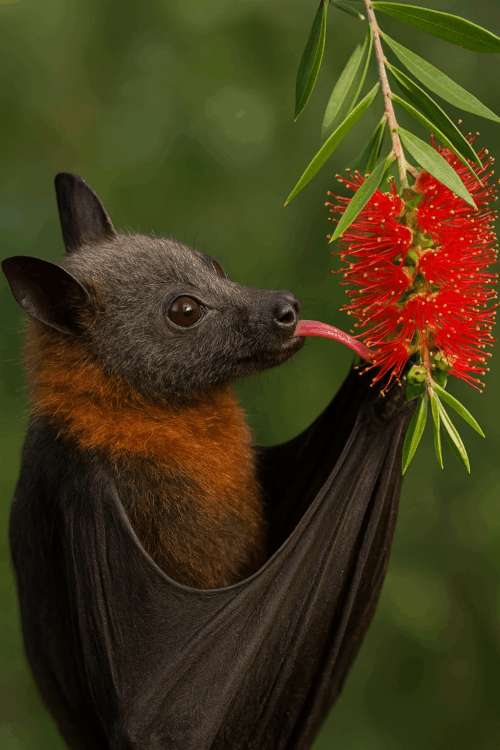
Across the Upper Campaspe Catchment, a quiet transformation is underway—one led not by machines or major infrastructure, but by native bees, butterflies, hoverflies, beetles, moths, and the community members who care about them.
The Pollinator Corridor Project led by the Upper Campaspe Landcare Network (UCLN), has been bringing landholders, Landcare groups, schools, businesses, and agencies together to restore and protect habitat for native pollinators. These projects are helping build climate resilience, strengthen biodiversity, and support sustainable land management across agricultural landscapes.
Pollinators play a crucial role in the health of ecosystems and agricultural productivity. Native insects—especially solitary bees and small wasps—are efficient pollinators of many food and native plant species. But habitat fragmentation, changing land use and climate pressures have eroded the resources they rely on.
These projects aim to reverse that trend.
Creating Corridors and Patches of Habitat
Working with 14 Landcare groups and a wide partnership network, UCLN has supported community members to create hundreds of small but powerful interventions:
- Native flowering plantings
- Shelter and nesting materials
- Micro-habitat enhancements
- On-farm biodiversity patches
- Demonstration sites for landholders and schools
Together, these patches form a growing matrix of pollinator-friendly habitat across the catchment, helping species move through the landscape and find the resources they need.
More than 50 sites are now actively improving biodiversity through these efforts.
Science Meets Community
Citizen Science has been a core element of the program. Community members have taken part in:
- Pollinator surveys
- Educational webinars
- Field days and workshops
- Monitoring activities linked to iNaturalist and other tools
These activities build ecological literacy, empower local land managers and provide data to guide future restoration work.
Collaboration at the Heart
The strength of the Pollinator Project lies in its partnerships. Agricultural landholders, local government, schools, environmental NGOs, private businesses and state agencies have contributed time, space, expertise and enthusiasm.
This wide collaboration has enabled the project to align with regional strategies, including the UCLN Action Plan 2020–2025, ensuring that local action supports broader biodiversity goals.
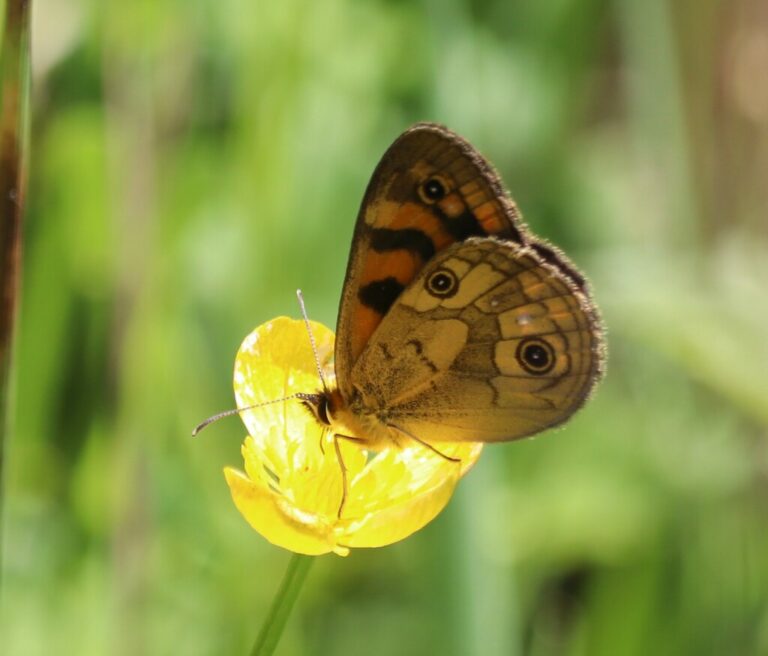
One such collaboration was the creation of The Insects of Central Victoria. This beautiful guide saw local councils, Not for Profits, and volunteers come together to contribute images, text and technical support during its development. Follow this link to download a copy of Insects of Central Victoria to help you with identification when you are out and about.
Building Resilience for the Future
The project’s impact extends beyond pollinators. Improving habitat diversity helps farms adapt to drought, stabilise soils, and support natural pest control. It also brings communities together around positive, hands-on environmental action.
Through the Pollinator Corridor Project, the Upper Campaspe Catchment is becoming a more connected, resilient and vibrant landscape—one patch, plant and pollinator at a time.